
A safe and affordable home is an important first step toward stability. But for individuals and families experiencing homelessness, having a place to live may not be enough to overcome every challenge. Access to employment, transportation, counseling, and supportive relationships can make a meaningful difference in a person’s ability to build a stable future.
At Tiny Homes Foundation, we believe housing should be connected to the resources and opportunities that help residents move forward. A tiny home can provide a foundation, while compassionate support and community partnerships can help people develop the confidence, skills, and connections they need for long-term independence.
Housing Is the Beginning, Not the End
Stable housing provides a place to rest, maintain personal belongings, and establish a daily routine. It can also create the stability needed to pursue education, employment, healthcare, and other personal goals.
However, people experiencing homelessness may face several challenges at the same time. These can include unemployment, limited transportation, financial difficulties, family separation, or difficulty accessing essential services.
Supportive housing approaches recognize that residents have different needs and goals. Some may need help finding work, while others may benefit from counseling, transportation assistance, or connections to community resources.
The goal is not to make every resident follow the same path. It is to help people access the support they need to make progress toward their own goals.
1. Counseling and Emotional Well-Being
Experiencing homelessness or housing insecurity can be stressful. Residents may have faced difficult life circumstances, uncertainty, or disruptions to their relationships and routines.
Access to counseling and other supportive services can provide a safe place for residents to discuss challenges, explore personal goals, and connect with appropriate professional help.
Counseling should be voluntary, respectful, and responsive to each person’s circumstances. Some residents may benefit from mental health services, while others may need assistance navigating family concerns, financial stress, or changes in their living situation.
By connecting residents with qualified providers and community organizations, housing programs can help make emotional well-being part of a broader approach to stability.
2. Job Support and Skills Development
Employment can provide income, confidence, and opportunities for greater independence. Yet finding and maintaining a job can be difficult when someone is experiencing housing insecurity.
Residents may need help preparing a resume, developing interview skills, finding training programs, or identifying employment opportunities that match their interests and abilities.
Workforce development partnerships can connect residents with local employers, vocational training, and educational resources. These connections can help people build skills and pursue opportunities that support their long-term goals.
At Tiny Homes Foundation, we believe housing and workforce support can work together to help individuals and families build stronger, more self-sufficient futures.
3. Transportation Connects People to Opportunity
Reliable transportation can be essential for accessing employment, education, healthcare, grocery stores, and community services.
When transportation is limited, even a nearby job or important appointment can become difficult to reach. Residents may spend additional time and money traveling, which can create further barriers to stability.
Community partnerships can help identify transportation resources that fit local needs. Depending on the location, these may include public transit information, transportation assistance programs, volunteer transportation, or connections to nearby services.
Transportation planning should be considered when developing housing communities so residents can access the opportunities and services they need.
4. Case Management and Personalized Support
Case management can help residents understand available resources and work toward their individual goals. A case manager may help coordinate services, identify housing-related needs, and connect residents with community organizations.
For someone navigating several challenges at once, having a consistent point of contact can make it easier to understand options and follow through with important steps.
Effective case management respects the resident’s choices and privacy. It focuses on collaboration rather than control, helping people identify what matters to them and develop practical plans for moving forward.
Support may include connections to benefits, healthcare, employment services, education, legal assistance, or other appropriate resources.
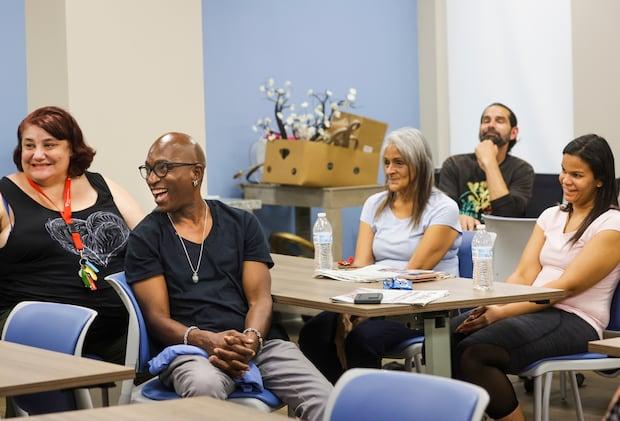
5. Community Connection and Belonging
A home provides personal space, but a supportive community can help people feel connected and included.
Shared spaces, community activities, and respectful relationships can create opportunities for residents to meet neighbors and develop a sense of belonging. Simple activities, such as community gatherings, gardening, or volunteer projects, can encourage connection without requiring residents to participate.
Community connection also means creating an environment where people are treated with dignity and respect. Residents should have opportunities to contribute their ideas, participate in decisions that affect them, and help shape the community they call home.
6. Partnerships Make Support Possible
No single organization can provide every service a resident may need. Strong partnerships can help housing organizations connect residents with a wider network of support.
Tiny Homes Foundation can work alongside community organizations, employers, training providers, public agencies, and local service professionals to help connect residents with useful resources.
These partnerships can strengthen the support available to residents while allowing each organization to contribute its own knowledge and expertise.
When housing providers and community partners work together, residents have more opportunities to access the services and resources that support their goals.
Building Stability One Step at a Time
Long-term stability does not look the same for everyone. For one resident, it may mean finding a job. For another, it may involve reconnecting with family, accessing counseling, completing training, or learning to manage a new household.
Supportive housing recognizes that progress takes time and that residents deserve patience, respect, and encouragement along the way.
At Tiny Homes Foundation, we believe every person deserves a safe place to call home and the opportunity to build a better future. By connecting housing with supportive services, workforce opportunities, transportation resources, and community partnerships, we can help create a stronger foundation for stability and independence.
A home provides a place to begin. Compassionate support helps make the next chapter possible.