
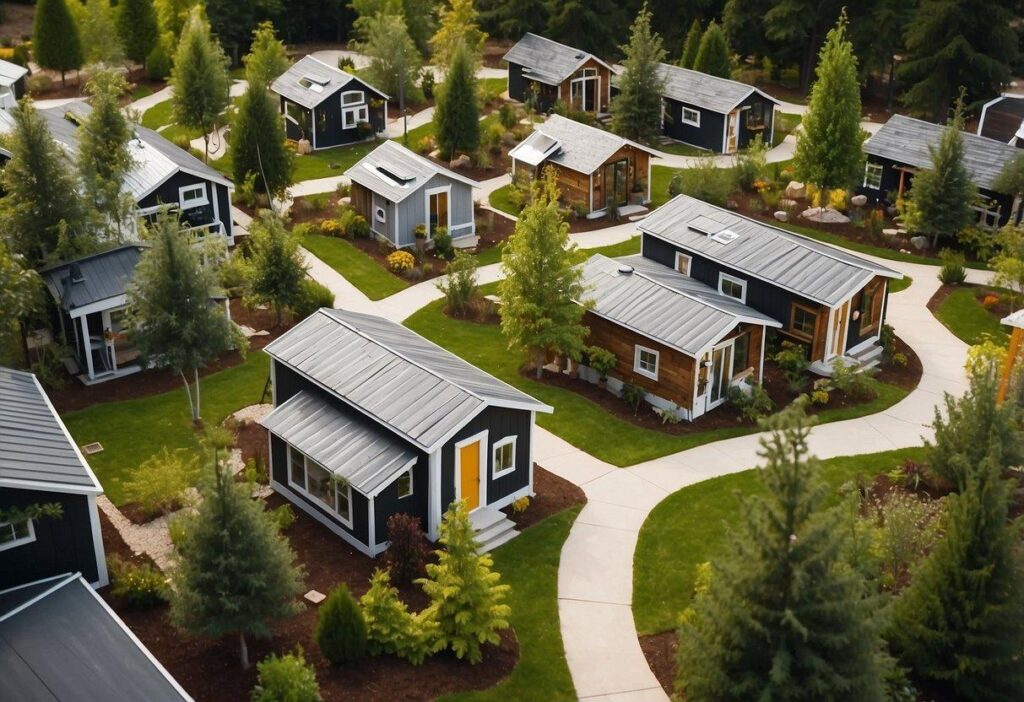
A tiny home can provide a safe and comfortable place to live, but a successful tiny-home community is about more than individual houses. It is about creating an environment where residents can feel secure, build connections, and access the resources they need to move forward.
At Tiny Homes Foundation, we believe thoughtful design, supportive services, local partnerships, and long-term investment all play an important role in developing housing communities that serve real human needs.
1. Thoughtful Design Creates Welcoming Homes
The design of a tiny-home community can influence how residents experience their daily lives. Well-planned homes and shared spaces can help create a sense of comfort, privacy, and belonging.
Individual homes should provide essential living needs, including safe sleeping areas, functional kitchens, bathrooms, and appropriate storage. Accessibility and privacy should also be considered when planning housing for people with different circumstances and needs.
The spaces between homes matter, too. Safe walkways, lighting, landscaping, and shared gathering areas can help create a welcoming environment.
A thoughtful community design balances personal space with opportunities for residents to connect. It recognizes that people need both privacy and a sense of belonging.
2. Coordinated Services Support Stability
Housing can be an important foundation for rebuilding, but residents may also need access to additional services.
Coordinated support can help connect residents with counseling, case management, healthcare, transportation, employment resources, and other appropriate assistance.
When services are organized around the needs of residents, it can be easier to understand available resources and identify practical next steps.
At Tiny Homes Foundation, we believe support should respect each person’s circumstances, choices, and goals. Some residents may need help finding employment, while others may benefit from assistance with transportation, education, or family-related needs.
3. Local Partnerships Bring Resources Together
A successful tiny-home community often depends on collaboration. Housing organizations, local businesses, nonprofit groups, public agencies, and service providers can contribute different skills and resources.
Builders may help with construction and maintenance. Employers may provide workforce opportunities. Community organizations may connect residents with essential services. Local leaders may help coordinate resources and support housing initiatives.
Partnerships can also help housing projects better understand local needs. By working with the community, organizations can develop practical approaches that reflect the people they hope to serve.
4. Community Connection Encourages Belonging
A neighborhood is more than a collection of buildings. It is a place where people live, interact, and develop relationships.
Shared gardens, community gathering areas, and resident activities can provide opportunities for neighbors to meet and connect. These spaces should be welcoming, accessible, and respectful of different preferences and needs.
Community connection can also involve giving residents opportunities to share ideas and participate in decisions that affect their living environment.
When residents feel included and respected, they may have more opportunities to develop relationships and contribute to the community.
5. Long-Term Investment Keeps Communities Strong
Building homes is an important step, but maintaining them requires ongoing attention and resources.
Long-term community investment may include property maintenance, repairs, landscaping, infrastructure improvements, and continued coordination with service providers.
Housing organizations can also plan for future needs by considering how a community will operate as residents’ circumstances change.
Sustainable investment means thinking beyond the initial construction process. It involves supporting the quality, safety, and usefulness of the community over time.
6. Resident Needs Should Guide the Work
Every resident has a different background, experience, and set of goals. A community that works well for one person may need adjustments to serve another.
Listening to residents can help organizations understand what is working and where improvements may be needed. Feedback can inform decisions about shared spaces, services, accessibility, and community activities.
A resident-centered approach recognizes that people should be treated with dignity and have a voice in the housing environments they call home.
Creating Communities With Purpose
A successful tiny-home community brings together more than housing. It combines thoughtful design, coordinated services, local partnerships, and long-term care to create an environment where residents can pursue stability and opportunity.
At Tiny Homes Foundation, our mission is to help develop dignified, affordable housing solutions that support individuals and families facing housing insecurity.
Through collaboration and compassionate action, we can work toward communities where people have access to safe homes, meaningful support, and opportunities to build stronger futures.
A tiny home is a place to live. A well-designed community is a place to belong.