
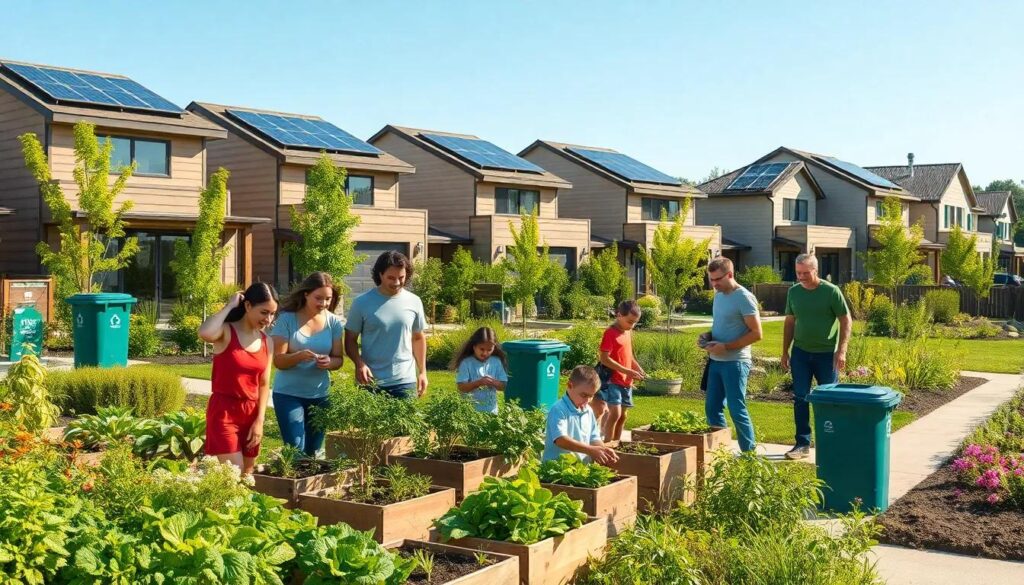
A safe and affordable home is more than a place to sleep. It is a foundation for stability, opportunity, and a stronger community. As housing challenges continue to affect individuals and families, sustainable housing offers a practical way to create homes that support both people and the environment.
At Tiny Homes Foundation, we believe that thoughtful housing design can help create a better future. By combining efficient construction, responsible materials, green spaces, and resilient infrastructure, communities can develop housing solutions that are comfortable, affordable, and built to last.
What Makes Housing Sustainable?
Sustainable housing focuses on meeting today’s needs while protecting resources for future generations. It considers how homes are designed, constructed, maintained, and connected to the surrounding community.
A sustainable home can be designed to use less energy, reduce waste, conserve water, and provide a healthy living environment. When these principles are applied across a neighborhood, they can help create communities that are more efficient, connected, and prepared for future challenges.
1. Efficient Design Makes Housing More Affordable
Small, thoughtfully designed homes can make better use of available space while providing the essential features people need for comfortable living.
Tiny homes can incorporate practical floor plans, natural lighting, energy-efficient appliances, and well-insulated walls. These features can help reduce energy use and make daily living more manageable.
Efficient design also means considering accessibility, privacy, storage, and the needs of residents. A home should not only be efficient to operate but also provide a dignified environment where people can feel secure and supported.
When housing is designed with affordability in mind, more resources can be directed toward maintenance, community services, and long-term resident support.
2. Responsible Materials Protect Resources
The materials used to build a home have an important role in its environmental impact. Choosing durable, responsibly sourced, and appropriate materials can help reduce waste and support long-term sustainability.
Builders may consider materials that are locally available, recycled where suitable, or designed for durability. Proper construction practices can also reduce unnecessary material waste and improve the lifespan of a home.
Responsible material choices should balance environmental considerations with safety, quality, accessibility, and affordability. Sustainable housing is not simply about using the newest materials; it is about making thoughtful decisions that serve residents and the community over time.
3. Green Spaces Help Communities Thrive
A sustainable community needs more than individual homes. Shared outdoor spaces can encourage connection, improve the neighborhood environment, and create opportunities for residents to spend time together.
Community gardens, shaded walkways, trees, and small gathering areas can make housing developments more welcoming. Green spaces may also help manage stormwater, provide shade, and support local biodiversity.
For residents experiencing housing insecurity, a welcoming outdoor environment can provide opportunities to build relationships and develop a sense of belonging.
When people have access to shared spaces, neighbors can connect, support one another, and contribute to a more inclusive community.
4. Resilient Infrastructure Supports Long-Term Stability
Resilient infrastructure helps communities prepare for environmental and practical challenges. Sustainable housing developments can consider drainage, safe access, reliable utilities, energy efficiency, and construction methods appropriate for local conditions.
Depending on the location and project needs, resilience may include improved insulation, stormwater management, efficient water systems, and designs that can better withstand extreme weather.
Reliable infrastructure is especially important for people who may already face financial or housing challenges. A home that is designed for long-term performance can help reduce unexpected maintenance needs and support greater stability.
5. Sustainable Housing Can Create Opportunity
Housing and economic opportunity are closely connected. A stable home can provide a foundation for people to pursue education, employment, skills training, and other goals.
Sustainable housing projects can also create opportunities for local workers through construction, maintenance, landscaping, and related services. Partnerships with training providers, employers, and community organizations can help connect residents with useful resources.
At Tiny Homes Foundation, we believe housing should be part of a broader approach to community development. A home can provide stability, while supportive services and workforce opportunities can help individuals and families build stronger futures.
6. Strong Communities Begin With Collaboration
Sustainable housing works best when residents, community organizations, builders, public agencies, and local partners work together.
Community involvement can help ensure that housing projects reflect local needs. Listening to residents, understanding neighborhood priorities, and planning for long-term maintenance can lead to more practical and inclusive outcomes.
Partnerships can also help connect residents with transportation, healthcare, education, employment resources, and other services. These connections are important because a sustainable community is not defined only by its buildings, but also by the relationships and opportunities within it.
Building a Better Future Through Housing
Sustainable housing is an opportunity to rethink how communities are designed and how people are supported. Efficient homes, responsible materials, green spaces, and resilient infrastructure can work together to create housing that is practical, dignified, and environmentally responsible.
At Tiny Homes Foundation, our vision is to help create housing solutions that support stability, independence, and opportunity. Through thoughtful design, collaboration, and compassionate action, we can help build communities where more people have the opportunity to call a safe place home.
A sustainable home is more than a building. It is a foundation for stronger communities and a better future.